
Blog
7 Premium Benefits of Choosing a Solid Wood Baby Crib
Table of Contents
- Why Choose a Baby Crib?
- 1. Baby Crib Durability
- 2. Baby Crib Stability
- 3. Baby Crib Timeless Design
- 4. Baby Crib Natural Material
- 5. Baby Crib Easy Maintenance
- 6. Baby Crib Long-Term Value
- 7. Baby Crib Design Versatility
- Baby Crib Selection Tips
7 Premium Benefits of Choosing a Solid Wood Baby Crib
Why Choose a Baby Crib?
A Baby Crib is one of the most important furniture pieces in a nursery because it combines everyday functionality with a dedicated sleeping environment. Choosing a solid wood model can provide an attractive balance of durability, stability, timeless design, and long-term furniture value.
For parents, interior designers, retailers, and hospitality buyers, material selection matters. Solid wood offers a natural furniture character that can complement both traditional and contemporary nursery concepts.
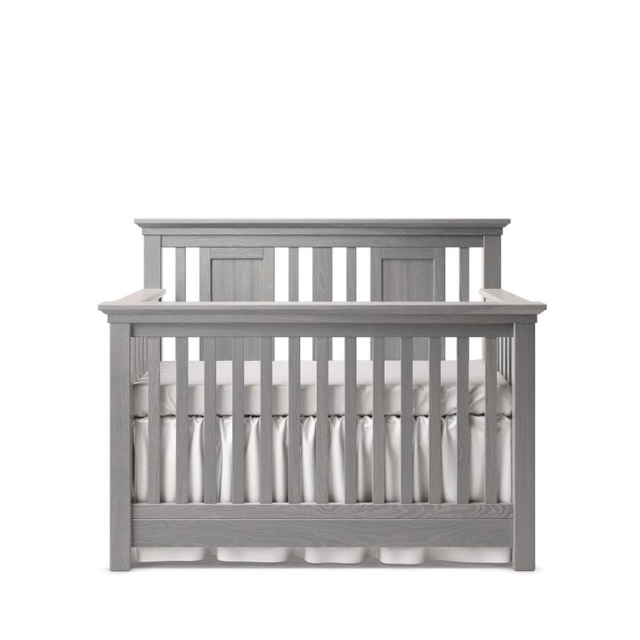
1. Baby Crib Durability
One of the main advantages of a solid wood Baby Crib is its durable furniture construction. Quality solid wood can provide a substantial feel and withstand the everyday demands associated with nursery furniture when properly manufactured and maintained.
This makes solid wood an appealing choice for buyers who prioritize furniture longevity. A well-crafted crib can remain visually attractive for years while maintaining its position as a central nursery furnishing.
2. Baby Crib Stability
A properly engineered Baby Crib made from solid wood can offer a sturdy and dependable structure. The substantial nature of wood helps create a reassuring furniture presence when compared with lightweight construction materials.
However, material alone does not determine safety. Always check that the crib complies with applicable safety standards, has appropriate spacing between components, and is assembled according to the manufacturer’s instructions.
3. Baby Crib Timeless Design
A solid wood Baby Crib can bring timeless character to a nursery. Natural grain, framed panels, and carefully finished surfaces can create a sophisticated appearance that works with changing interior trends.
For the pictured design, the classic frame and vertical slat detailing create an elegant furniture profile. This makes it suitable for neutral nurseries, classic interiors, and premium furniture collections.
4. Baby Crib Natural Material
Wood brings a warm and authentic visual character to interior spaces. A Baby Crib with a natural wood foundation can help create a welcoming atmosphere when paired with soft textiles, neutral colors, and complementary wooden furniture.
For buyers interested in sustainable sourcing, it is also important to ask suppliers about wood species, sourcing practices, finishing materials, and production processes. Responsible sourcing can add further value to a well-designed furniture product.
5. Baby Crib Easy Maintenance
Another benefit of a solid wood Baby Crib is relatively straightforward surface care. Regular dusting and gentle cleaning can help preserve the finish and keep the furniture looking refined.
- Use a soft cloth for routine dust removal.
- Avoid excessive moisture on finished wood surfaces.
- Keep the furniture away from prolonged direct moisture.
- Follow the manufacturer’s cleaning and maintenance instructions.
Proper care is particularly important when a crib has a decorative finish, because consistent maintenance helps preserve both its appearance and furniture value.
6. Baby Crib Long-Term Value
A premium Baby Crib can be viewed as more than a short-term nursery purchase. Solid wood furniture often has a substantial appearance that can make it attractive for premium residential projects, furniture showrooms, and curated nursery collections.
For B2B buyers, a timeless design can also support broader merchandising strategies. Retailers can position solid wood nursery furniture as a premium category that emphasizes craftsmanship, material quality, and classic styling.
7. Baby Crib Design Versatility
A well-designed Baby Crib can work across many interior concepts. Dark, light, or natural wood finishes can be coordinated with different bedding styles, wall colors, storage furniture, and decorative accessories.
The classic design shown in this product image demonstrates how vertical slats and framed details can create a refined appearance without excessive ornamentation. This flexibility makes solid wood nursery furniture useful for both residential and commercial interior projects.
Baby Crib Selection Tips
When choosing a Baby Crib, consider more than appearance. Buyers should evaluate construction quality, dimensions, finish, component spacing, stability, applicable safety requirements, and the reputation of the furniture manufacturer.
- Confirm the exact product dimensions before ordering.
- Ask about the wood species and construction method.
- Review the finish and available customization options.
- Check applicable crib safety requirements for your market.
- Request packaging and shipping details for B2B orders.
- Discuss minimum order quantities when purchasing wholesale.
For additional background about wood as a material, explore this trusted external source. For furniture sourcing and product inquiries, visit our website to explore the collection from PT KING CLASSIC FURNITURE.
Ultimately, selecting a solid wood Baby Crib is about combining practical furniture considerations with attractive design and dependable craftsmanship. With the right specifications, responsible sourcing, and appropriate safety considerations, solid wood can be an excellent foundation for a premium nursery environment.
Related Posts
7 Premium Modern Baby Crib Materials for a Safer Nursery
-
Posted by
kingfurnitureweb@gmail.com
7 Best Wooden Baby Crib Designs for an Elegant Nursery
-
Posted by
7 Best Wood Types for Making a Baby Crib: Safe & Strong
-
Posted by
7 Tips for Modern Baby Crib Nursery Styling: Smart Ideas
-
Posted by
7 Reasons Why Modern Baby Crib Design Uses Natural Rattan
-
Posted by
Baby Crib Guide 2026: Safety Tips, Comfort Setup & Design Secrets
-
Posted by
7 Tips for Choosing the Best Baby Crib for Your Newborn
-
Posted by
7 Best Baby Crib Of 2026 Tips For Choosing Without Risk
-
Posted by
Wooden Baby Crib Review: Pros And Cons 2026
-
Posted by
7 Essential Tips for Choosing the Perfect Wood Baby Crib
-
Posted by
7 Premium Reasons a Wooden Baby Crib Elevates Nurseries
-
Posted by
7 Best Baby Crib Tips for a Classic Nursery
-
Posted by

