
Blog
7 Best Baby Crib Tips for a Classic Nursery
Baby Crib: Choosing the Perfect Wooden Model for a Classic Nursery
Table of Contents
- Introduction
- Material Matters: Wood Types
- Baby Crib Safety Features
- Design & Style Tips
- Maintenance and Longevity
- Conclusion
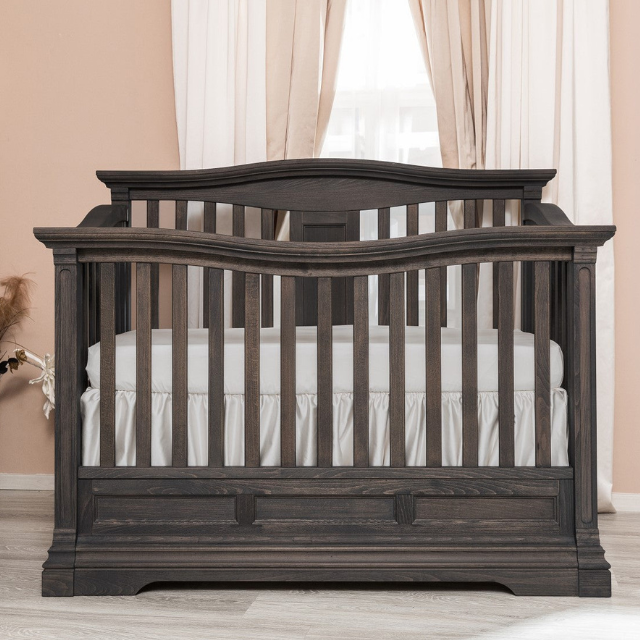
A Baby Crib is more than just a sleeping spot; it’s a centerpiece that reflects your style and prioritizes safety. In a classic nursery, choosing the right wooden crib can set the tone for comfort and timelessness. Whether you’re a first‑time parent or redesigning an existing space, this guide will help you navigate the most important factors.
Material Matters: Wood Types
When searching for a Baby Crib, the material you select influences both durability and safety. Hardwoods such as maple, oak, and cherry provide sturdy construction and a pleasant grain that ages gracefully. Softwoods, while lighter, may require additional reinforcement to meet safety standards.
The finish of the wood is also critical. Opt for low‑VOC or no‑VOC paints to reduce exposure to airborne chemicals. A natural oil finish preserves the wood’s integrity while keeping the crib safe for your baby’s skin.
Baby Crib Safety Features
Safety is paramount in the design of every Baby Crib. Look for adjustable mattress heights that accommodate your child’s growth stages. A crib that allows a mattress height of 6-8 inches is ideal for newborns and ensures easy access.
Sturdy slats with spacing no more than 2.5 inches prevent entrapment. Many modern wooden cribs also feature rounded corners and smooth surfaces, eliminating sharp edges that could harm a curious infant.
For added peace of mind, choose a crib that meets or exceeds the European EN 716 or the U.S. CPSIA safety standards. These certifications guarantee that the crib has passed rigorous testing for structural integrity and chemical safety.
Design & Style Tips
In a classic nursery, the Baby Crib often serves as the focal point. Select a design that complements traditional décor—think clean lines, neutral tones, and subtle accents. A timeless silhouette will blend seamlessly with vintage or mid‑century furniture.
Consider incorporating built‑in storage or a matching dresser to maximize space. A wooden crib with integrated drawers or a storage base can keep blankets, diapers, and toys organized.
For a touch of personality, add a small, removable headboard or a fabric panel. This subtle detail can transform the crib’s appearance without compromising its classic charm.
Maintenance and Longevity
Proper care extends the life of your Baby Crib. Wipe down surfaces with a damp cloth and mild soap after each use. Avoid harsh chemicals that could degrade the finish.
Regularly inspect the crib for loose screws, warped wood, or splintering. Tighten any loose fasteners and replace damaged components promptly to maintain safety.
Occasionally polish the wood with a natural oil to keep it supple and to enhance its natural beauty. This simple upkeep routine preserves the crib’s appearance for years.
Conclusion
Choosing the perfect wooden Baby Crib for a classic nursery involves balancing style, safety, and durability. By focusing on high‑quality wood, safety certifications, and thoughtful design, you create a haven that will grow with your child.
Explore more options and expert advice on our website to find the ideal crib that meets your family’s needs. For additional safety information, trusted source provides comprehensive guidelines.
Invest in a crib that offers both elegance and security, and watch your child sleep peacefully in a space that reflects your timeless taste.
Related Posts
7 Premium Modern Baby Crib Materials for a Safer Nursery
-
Posted by
kingfurnitureweb@gmail.com
7 Best Wooden Baby Crib Designs for an Elegant Nursery
-
Posted by
7 Best Wood Types for Making a Baby Crib: Safe & Strong
-
Posted by
7 Tips for Modern Baby Crib Nursery Styling: Smart Ideas
-
Posted by
Baby Crib Guide 2026: Safety Tips, Comfort Setup & Design Secrets
-
Posted by
7 Tips for Choosing the Best Baby Crib for Your Newborn
-
Posted by
7 Best Baby Crib Of 2026 Tips For Choosing Without Risk
-
Posted by
Wooden Baby Crib Review: Pros And Cons 2026
-
Posted by
7 Essential Tips for Choosing the Perfect Wood Baby Crib
-
Posted by
7 Premium Reasons a Wooden Baby Crib Elevates Nurseries
-
Posted by
7 Premium Benefits of Choosing a Solid Wood Baby Crib
-
Posted by
7 Benefits of Choosing a Wooden Baby Crib for Nursery Furniture
-
Posted by

